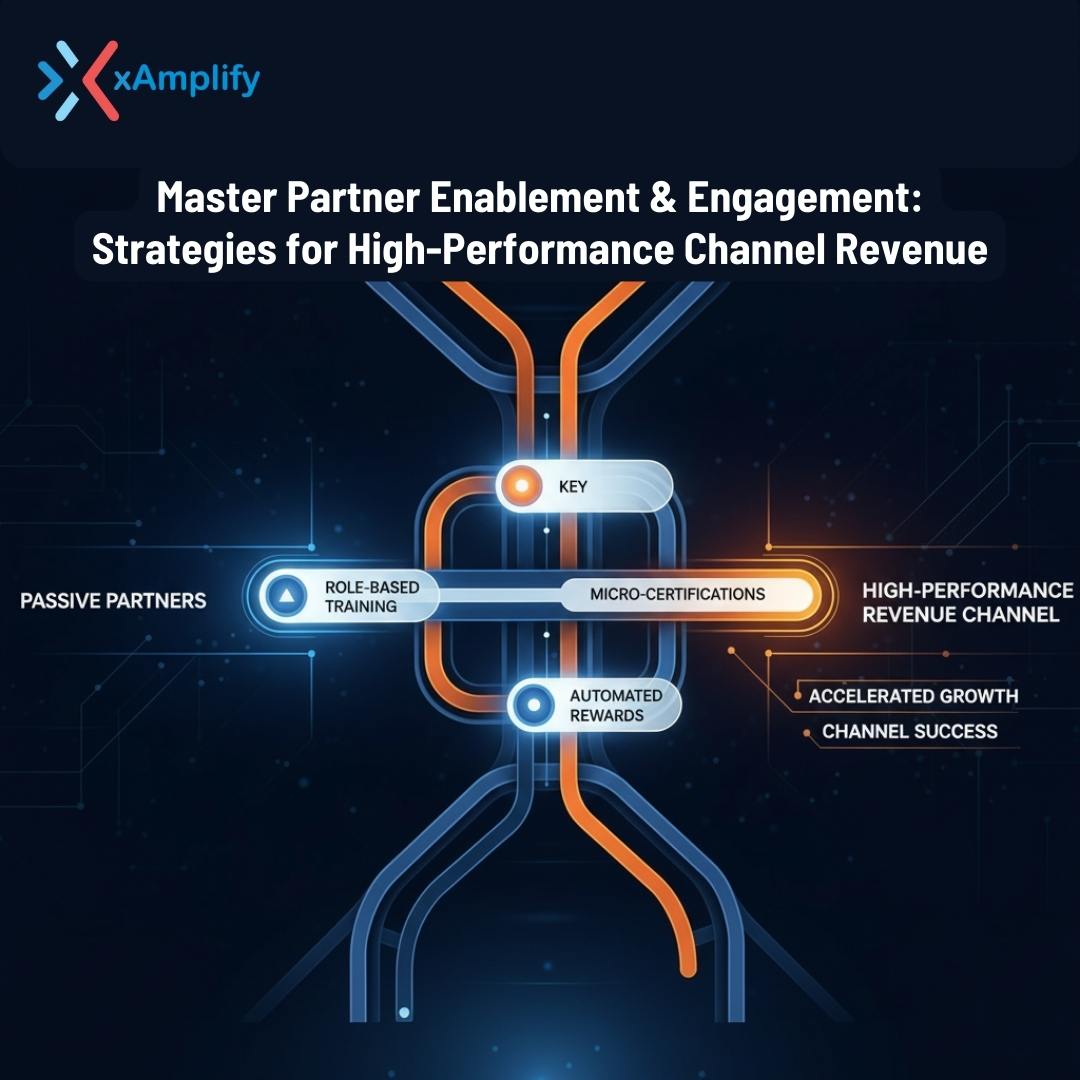
Partner success is not passiveit’s engineered. The biggest challenge channel organizations face isn’t recruiting partners; it’s transforming them from passive entities into active, revenue-generating engines. This guide provides a strategic framework for mastering Partner Enablement and Engagement, focusing on the measurable processes that drive high performance and ensure your partners are truly ready to sell.
The Enablement Imperative: Moving from Documents to Active Proficiency
Enablement is the critical bridge between partner recruitment and the first co-sell or co-market success. It is the answer to: How do companies manage partner training at scale?
Designing an Effective Partner Training Program
A high-performance enablement strategy must be continuous, contextual, and measurable. This requires a dedicated Partner Learning Management System (P-LMS) integrated directly into the PRM platform.
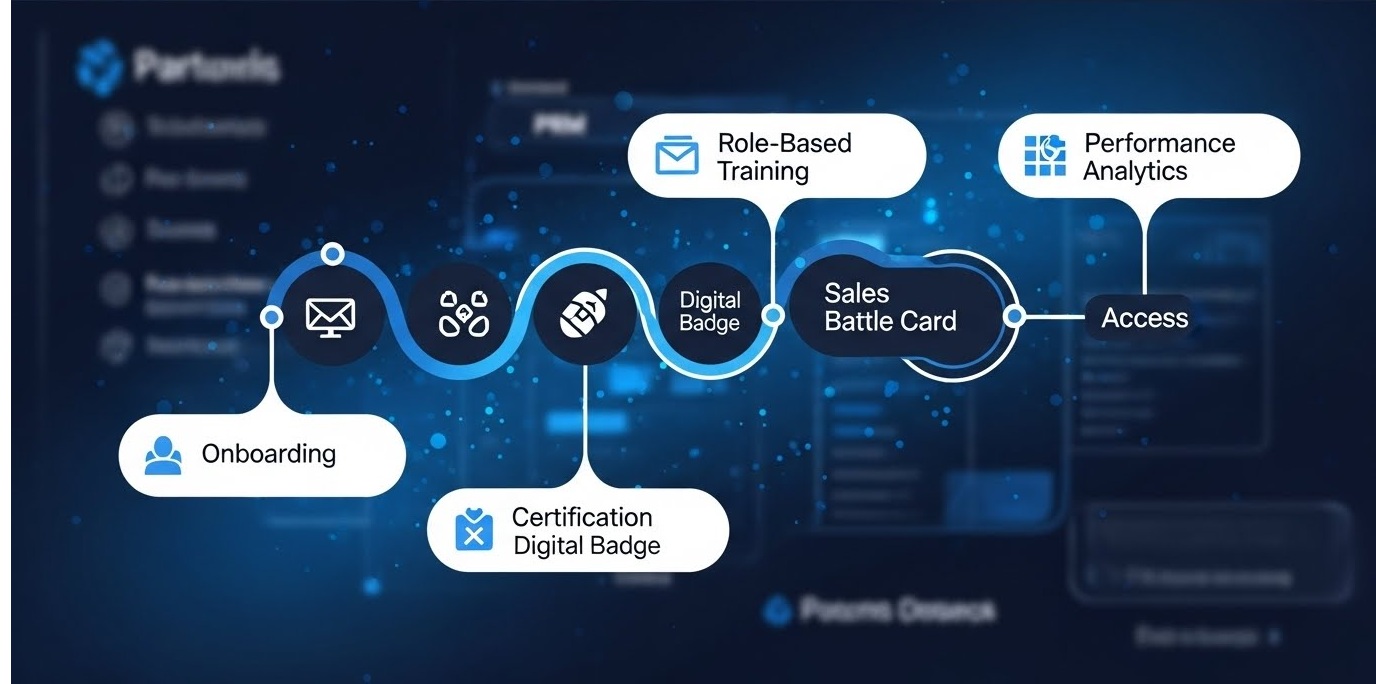
- Role-Based Paths: Training must be customized. Sales partners need materials on positioning and objection handling, while Technical partners require deep-dive certifications and deployment guides.
- Micro-Certifications: Break content into short, digestible modules (micro-certifications) that partners can complete quickly, immediately reinforcing learning with a digital badge or title change in the portal.
- Just-in-Time Access: The most effective enablement occurs when partners need it most. Sales battle cards, pricing sheets, and comparison tools must be accessible with one click inside the deal registration workflow.
How to Manage Partner Sales Enablement Effectively
Managing enablement is about ensuring content is up-to-date and easily consumed. Use automation to notify partners of new content, retire outdated materials, and track which resources directly correlate with deal velocity.
Driving Engagement: Strategies for a High-Activity Partner Network
Inactive partners are pure cost. High engagement is the single best predictor of revenue contribution. The challenge is addressing: How can organizations ensure high partner engagement?
The Power of Partner Incentives and Rewards
Incentives must be dynamic, competitive, and instantly recognized within the portal. A robust PRM system automates the calculation and fulfillment of rewards, eliminating manual administrative work.
- Tiered Rewards: Structure your incentives to reward behavior, not just revenue. Encourage training completion, early deal registration, and co-marketing activity with points, badges, and accelerated benefits.
- Gamification: Implement leaderboards and challenge-based incentives to foster healthy competition and consistent portal usage.
- MDF Management: Centralize Marketing Development Funds (MDF) tracking within the PRM. This ensures funds are requested, approved, and tracked against specific campaign ROI, directly tying marketing investment to performance.
Using Automation to Foster Loyalty and Visibility
Engagement is a two-way street. Your PRM must actively communicate value to the partner.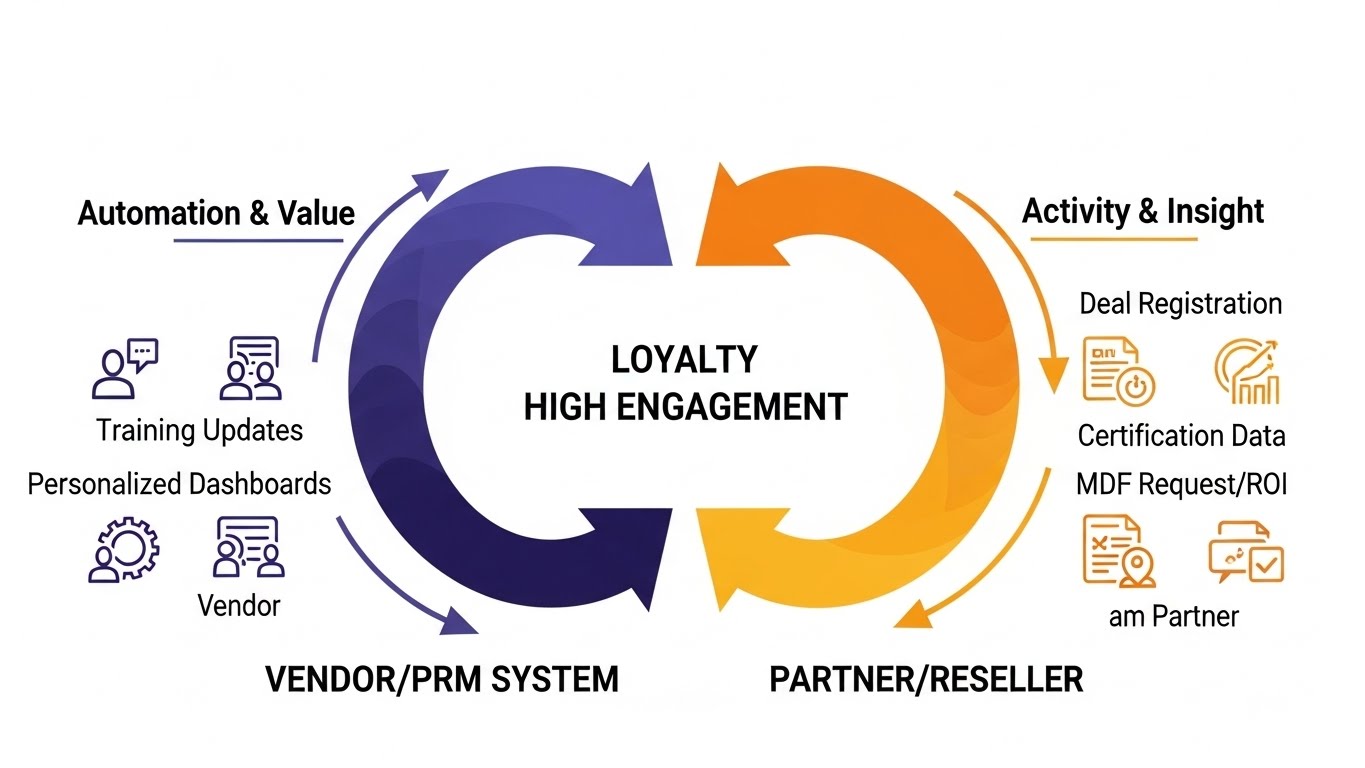
- Personalized Dashboards: Give each partner a personalized view showing their progress toward goals, pending payments, and relevant training updates. This answers, “What’s in it for me?”
- Communication Center: Use integrated email and in-portal messaging to deliver targeted communications, eliminating reliance on mass-email blasts.
The Role of Content: Collateral Management and Distribution
Enabling a global sales team requires immaculate control over your brand and marketing assets. This section focuses on: How to manage marketing collateral across a distributed network and how to ensure brand consistency across franchise locations.
Best Practices for Marketing Collateral Management
The PRM serves as the central source of truth, ensuring brand integrity and legal compliance globally.
- Centralized Asset Library: All logos, presentations, white papers, and templates must reside in one location, accessible only through the PRM.
- Co-Branding Automation: The platform should allow partners to instantly co-brand materials with their logo and contact information without violating brand guidelines. This is key to scaling co-marketing efforts.
- Version Control and Expiry: Use automated version control to immediately retire old materials and prevent partners from using outdated, non-compliant pricing or messaging.
Content Distribution and Localized Marketing
A modern PRM (Unified Partner Management) accelerates campaign execution by pushing materials directly to the partner’s local market.
- Campaign Syndication: Enable partners to quickly activate pre-built, localized marketing campaigns directly from the portal (e.g., social posts, social media templates, email sequences).
- Measurement and Reporting: Ensure the PRM tracks partner utilization of content and the resulting leads and revenue, providing an end-to-end view of marketing ROI.
Frequently Asked Questions (FAQ)
Here are answers to the most common questions channel leaders have about training, collateral, and engagement strategies.
How to manage partner sales enablement effectively?
Effective sales enablement requires a dedicated, integrated Partner LMS (P-LMS). It must feature role-based learning paths, short micro-certifications, and “just-in-time” resource access directly within the partner’s workflow (e.g., providing a sales battle card during the deal registration process). This ensures knowledge is applied instantly.
How to measure partner engagement?
Measure engagement by tracking behavior that leads to revenue: Portal Login Frequency, Certification Completion Rates, MDF Utilization, and Active Campaign Participation. High engagement means partners are investing time and resources, which directly correlates with revenue contribution.
How do I select the most suitable marketing collateral management system?
Choose a system that is integrated into your PRM, not standalone. It must offer automatic version control and expiry, one-click co-branding, and a central, secure library. The best solution minimizes partner effort while guaranteeing brand and compliance integrity.
How to use version control for marketing collateral?
Version control should be automated by the PRM’s Content Management feature. When a new version of a document is uploaded, the old version should be instantly retired and inaccessible to partners, preventing the use of outdated pricing or messaging that could lead to compliance issues or channel conflict.
Conclusion: The Enabled Channel is the Predictable Channel
Engagement and enablement are not separate activities they are the two halves of a functioning partner ecosystem. By using a Unified PRM platform like xAmplify, you move beyond siloed training and passive document sharing. You create a continuous, rewarding loop where partners are constantly trained, actively selling, and measurably contributing to predictable channel revenue.
Investing in a Unified Platform is the strategic move toward an engaged, high-performance channel.